You don't have permission to copy the content.

Kampala, Uganda. Arrow Security Uganda Limited is in mourning following the tragic death of one of its employees, Sam Omala, who served as a supervisor for two years. Omala, known for his dedication and leadership in security operations, reportedly died in Mulago Hospital, leaving his family and colleagues in deep sorrow.  
Kampala, the capital city of Uganda, holds significant economic and political importance. However, its appearance does not reflect the image of a modern city, largely due to poor environmental management.  


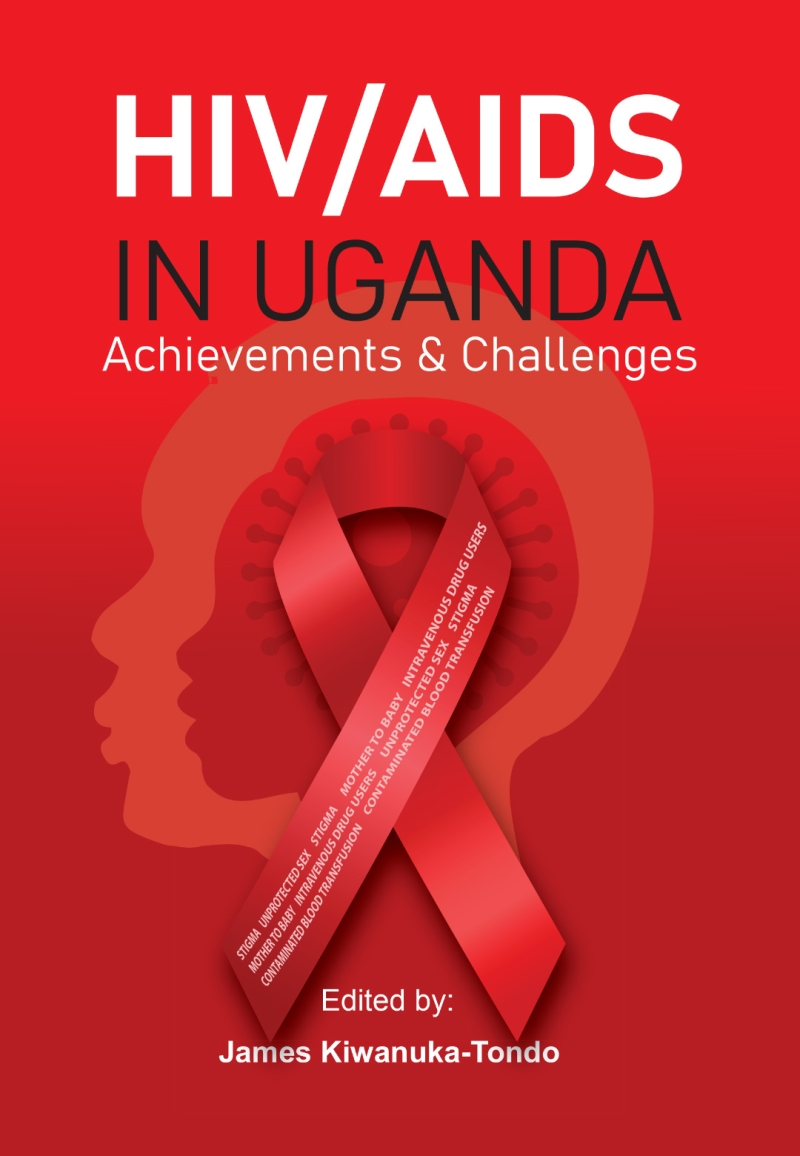
Mukono, Uganda – Kyungu Health Centre III, a vital public health facility in Mukono Central Division, is under immense strain as it grapples with a dramatic surge in HIV/AIDS cases. Health workers are currently diagnosing five new infections daily, raising alarms over the region's ability to meet Uganda’s 2030 target for eradicating HIV.

The health centre, which serves eight surrounding villages, is operating in a state of crisis. Key challenges include insufficient HIV testing kits, a critical shortage of antiretroviral drugs (ARVs), and even basic protective gear like gloves. In some instances, health workers are reportedly forced to reuse gloves, increasing the risk of cross-contamination.

The surge in HIV cases has been attributed to a combination of low condom usage, stigma surrounding HIV status, and inadequate infrastructure. Some patients admit to “relying on luck” instead of using protection, while privacy concerns in the maternity section—where men and women are separated by only a thin curtain—further discourage proper healthcare-seeking behavior.

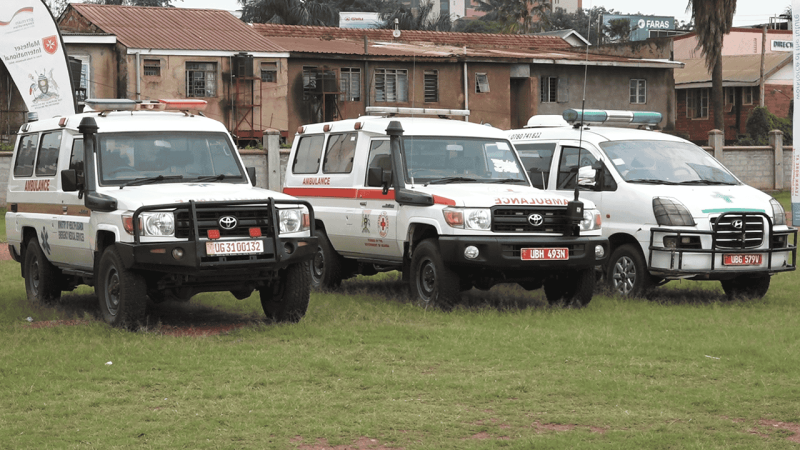
With no proper wards, many patients are forced to sleep on mats on the floor, and the facility has no ambulance to handle emergencies. Patients in critical condition are often ferried by boda-boda (motorcycle taxis) over 15 kilometers to Mukono General Hospital.

“We care, but we’re exhausted,” said Joyce Musoke, the Chairperson of Kyungu Health Centre III. “There’s simply not enough staff, medicine, or space to handle the daily influx.”

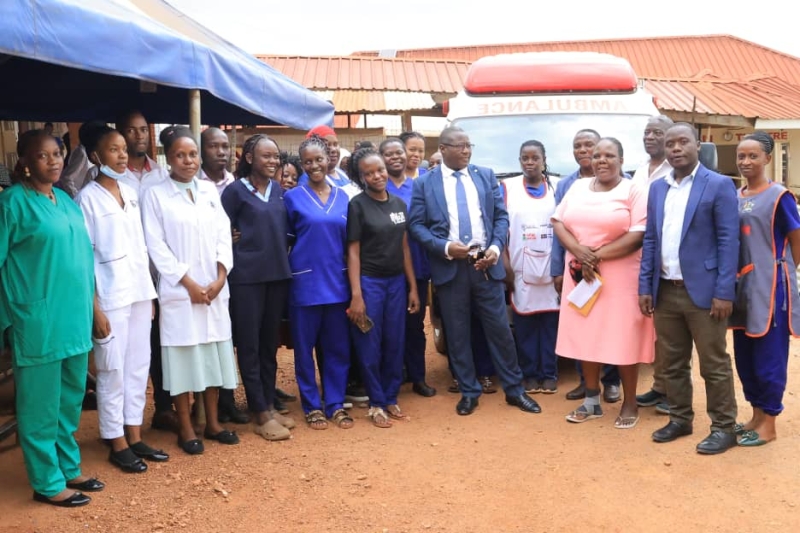
Mukono Woman MP Hanifah Nabukeera, who recently donated mattresses to the health centre, warned that unless urgent interventions are made, Uganda could miss its 2030 HIV eradication goal. Despite her concerns, municipal officials claim that funds for expanding the health facility have been budgeted—but the project remains delayed, with no clear timeline for completion.

For many residents, Kyungu HC III is the only affordable alternative to expensive care in Mukono town. However, with limited privacy, persistent stigma, and worsening conditions, some locals are avoiding the facility altogether—putting others at risk by silently living with and unknowingly spreading the virus.

“At this rate, Uganda will miss its 2030 HIV eradication target,” – MP Hanifah Nabukeera

Kyungu Health Centre’s struggles are emblematic of a broader crisis in Uganda’s rural healthcare system. Without swift action, the consequences could ripple far beyond Mukono. The burden of new infections will stretch ARV programs further, impact household incomes, and derail national progress toward HIV elimination.

According to the Uganda AIDS Commission’s 2023 report, 70% of new HIV infections occur in rural areas, underlining the need for increased investment in decentralized healthcare services. The Global Fund’s 2024–2026 HIV funding may offer a lifeline—but only if allocated effectively and promptly.


Wakiso, Uganda – Residents of Balabala Village, Kizinga-Bussi in Wakiso District are grappling with a worsening HIV crisis, as a lack of functional healthcare facilities pushes expectant mothers to deliver with untrained traditional birth attendants (TBAs). Health officials say this dangerous practice is fueling mother-to-child HIV transmission and threatening an entire generation.

According to local health worker Nampewo Gertrude, HIV prevalence has spiked to 70% in some areas. The surge is attributed to mothers giving birth under unsafe conditions with unskilled TBAs, a consequence of the downgrade of Balabala Health Centre III to a non-functional HC II. Without a government health facility in operation, many pregnant women are forced to make long and costly boat trips to Entebbe for medical care, placing their lives and those of their unborn children at risk.

The consequences are dire. Newborns are being infected with HIV at birth, while families struggle under the weight of poverty, prioritizing basic needs like food over education. Many children have dropped out of school, with economic hardship deepening across the village. As one frustrated village elder put it:

"How many babies must die before the government acts? We’re drowning in neglect!"


Dr Matia Lwanga Bwania the Wikiso district chairperson


During a recent visit, Wakiso LC5 Chairman Dr. Matia Lwanga Bwanika was confronted by angry residents who demanded immediate action. They called for the reopening of Balabala HC III with full maternity services, urgent rollout of HIV testing and antiretroviral (ARV) treatment for affected mothers and children, and a crackdown on unlicensed TBAs. Dr. Bwanika acknowledged the severity of the crisis and promised that the health centre would be upgraded “soon”—with a pledge to complete the work before the end of April.

This crisis reveals a broader pattern of health inequality affecting island and lakeside communities across Lake Victoria. The absence of professional medical services continues to drive up preventable infections, leaving rural populations vulnerable. Without immediate intervention, health experts warn that HIV could devastate communities already on the brink.

The lack of healthcare access is forcing vulnerable women into dangerous deliveries. Without decisive action, Balabala faces a public health time bomb with long-term consequences for its children. The situation also highlights similar struggles in other neglected island communities, where the difference between life and death often comes down to proximity to a health center.

Health authorities must act now to reactivate Balabala HC III with trained midwives, deploy mobile HIV clinics for immediate testing and treatment, and conduct sensitization campaigns discouraging unskilled TBA deliveries.


A 2023 report from the Uganda National Health Survey shows that 48% of births in Kazinga-Bussi occur with TBAs. Meanwhile, the Uganda AIDS Indicator Survey reveals that the mother-to-child transmission rate of HIV in lakeside communities is 22%, nearly three times the national average of 8%.

More Articles …