
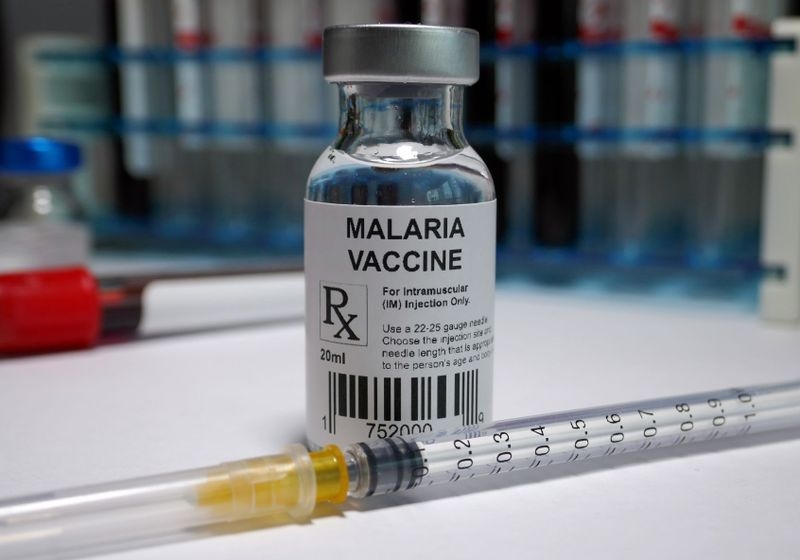
The Ministry of Health has called on cultural leaders of the Obusinga Bwa Rwenzururu Kingdom in the Rwenzori subregion to support the acceptance of the new malaria vaccine among communities. The ministry plans to introduce the R21 malaria vaccine for children under two years old starting April 1, 2024, as part of efforts to combat one of the leading causes of child mortality in Uganda.
The vaccination program will administer four doses to children: at six, seven, eight, and eighteen months of age. Dr. Richard Mugahi, the Commissioner for Maternal and Child Health at the Ministry of Health, emphasized the critical role of cultural leaders in ensuring the success of the campaign. He highlighted that malaria remains the leading cause of death among children under five in Uganda, a situation that must be addressed urgently.
Uganda will incorporate the R21 Matrix-M vaccine into its routine immunization program, prioritizing districts with high malaria transmission rates. The ministry aims for an 80% to 85% coverage rate per dose to achieve significant impact.
Dr. Amon Bwambale, the Kasese District Health Officer, reassured parents about the safety of the vaccine, addressing concerns and myths that arose during the COVID-19 vaccination period. He explained that the malaria vaccine has side effects similar to other childhood immunizations but stressed that it should be used alongside other preventive measures, such as mosquito nets, for maximum protection.
Malaria is a major health challenge in Kasese District, accounting for 40% of all illnesses and being the leading cause of death among young children. Dr. Bwambale called for community sensitization and mobilization to ensure widespread acceptance and uptake of the vaccine.
Balitazare Kule Benson, the Deputy Prime Minister of Obusinga Bwa Rwenzururu, pledged the kingdom’s support in disseminating information about the vaccine. He emphasized the use of cultural platforms such as funerals, church gatherings, and community meetings to educate the public. Benson also advised leaders to incorporate the kingdom’s five pillars—peace, unity, reconciliation, social-economic transformation, and development—into their communication to foster positive attitudes toward the vaccine.
The introduction of the malaria vaccine into Uganda’s routine immunization program marks a significant milestone in the country’s efforts to achieve a malaria-free Uganda by 2030. The collaboration between the Ministry of Health and cultural leaders is expected to play a pivotal role in ensuring the success of this life-saving initiative.








Disqus comments error!
Disqus shortname is required to use Disqus comments. Please ensure you have specify a valid registered Disqus shortname.