You don't have permission to copy the content.


Kasese, Uganda  – In a tragic turn of events, torrential rains have unleashed devastating floods along River Mubuku in Karusandara Sub-County, leaving over 65 families homeless and destroying vital crops that thousands depend on for survival. This latest climate-induced disaster has exposed the vulnerability of communities in Uganda’s flood-prone regions and highlighted the urgent need for action as extreme weather patterns intensify.

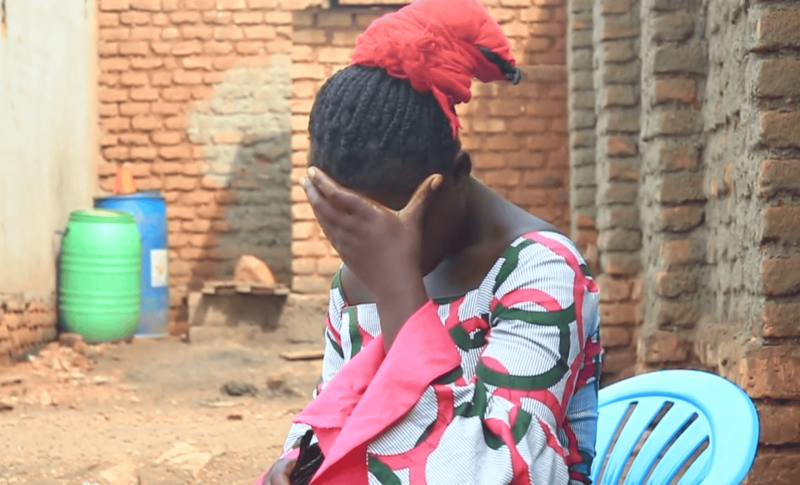
For Morian Mbambu, a 20-year-old mother of two, life changed in an instant. Her modest home was swept away by the raging waters of River Mubuku, forcing her to seek refuge with her brother-in-law. Now, 26 people are crammed into a tiny four-room house, struggling to cope with the lack of space and privacy.

 “No privacy, no space—just trauma,” Mbambu lamented. “We need help!”

The suddenness of the disaster caught many residents off guard. Timothy Okello recounted how what began as a light drizzle quickly escalated into a catastrophic flood. “By 8 PM, the river had swallowed our entire village,” he said, describing scenes of chaos and despair as families scrambled to salvage whatever they could from the rising waters.


Beyond the immediate human impact, the floods have dealt a severe blow to local livelihoods. Fields of maize, beans, bananas, cassava, and soy—critical staples for 247 families—were completely wiped out. With these crops gone, food insecurity looms large, threatening not only the displaced but also surrounding communities dependent on agricultural trade.

Compounding the crisis is the destruction of homes. Cracked walls and mud-filled compounds create breeding grounds for diseases like cholera and malaria. Residents fear outbreaks amid already dire living conditions.

Meanwhile, environmental degradation continues to exacerbate the problem. Siltation along River Mubuku is obstructing its natural flow, increasing the likelihood of future flooding. Local leaders warn that without intervention, similar disasters will become more frequent and severe.

Despite the scale of the devastation, government assistance has been minimal. Eriphazi Muhindi, Chairperson of the Kasese District Local Council V (LCV), acknowledged the financial constraints facing authorities. “We lack funds to tackle climate disasters,” she admitted, underscoring the systemic challenges in responding effectively to such emergencies.

Community leaders, however, are growing increasingly frustrated. The Kabuga LC1 Chairperson has issued a desperate plea for urgent desiltation of River Mubuku to mitigate further risks. Without significant investment in infrastructure and disaster preparedness, experts warn that Kasese—a known flood hotspot—will remain perilously vulnerable.

This marks the third major flood incident in Kasese this year alone, underscoring the growing toll of climate change on Uganda’s most marginalized populations.

To date, there has been no substantial national relief effort directed toward the affected families. Instead, strained community networks are bearing the brunt of support, stretching already limited resources thin.

The situation in Kasese serves as a stark reminder of the broader challenges posed by climate change across Africa. Poor drainage systems, rampant deforestation, and inadequate urban planning continue to amplify the effects of extreme weather, disproportionately impacting rural communities least equipped to handle them.

As the displaced families of Karusandara Sub-County grapple with loss and uncertainty, their plight underscores an urgent call for both immediate humanitarian aid and long-term strategies to combat the escalating climate crisis.

For now, hope rests on collective resilience—and the possibility that their cries for help will finally be heard.

Mityana, Uganda – In a landmark initiative to boost healthcare delivery, the Buganda Kingdom has officially launched the Kabaka Muteesa II Health Centre IV in Busimbi, Mityana District, as part of the Kabaka Ronald Muwenda Mutebi II’s 70th birthday celebrations.

While officiating the launch, Charles Peter Mayiga, the Katikkiro (Prime Minister) of Buganda, called for unity and cooperation in the health sector, urging citizens to avoid politicizing healthcare.


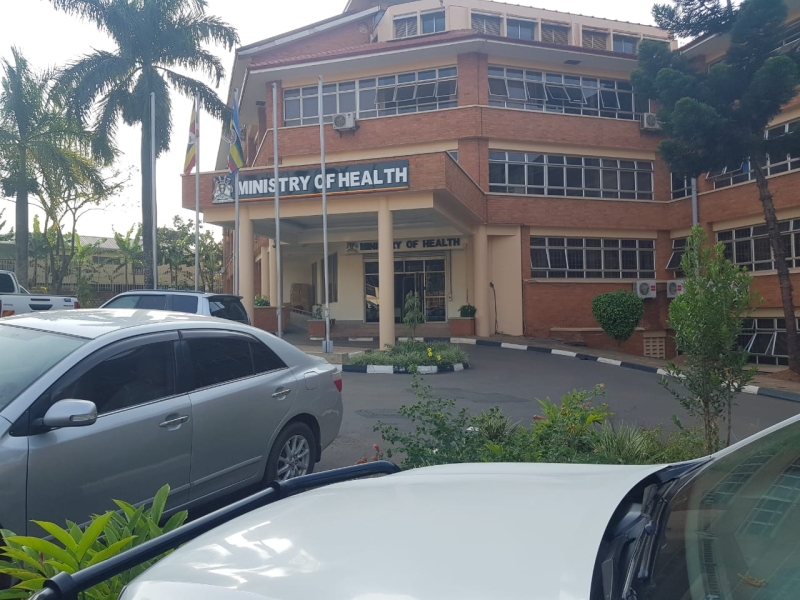
MBALE, UGANDA  ;  The Ministry of Health has confirmed an outbreak of yellow fever in 19 districts of eastern Uganda, with Kibuku District being the most affected. The announcement was made by Dr. Fred Nsubuga, a senior medical officer from the Ministry of Health, during a press briefing in Mbale city .  

Dr. Nsubuga described yellow fever as a "very dangerous disease if not controlled," prompting the government to initiate a mass vaccination campaign targeting 4.5 million people aged 1 to 60 years. The vaccination exercise will run from  10th to 16th of this month in the affected districts, which include:  
Mbale 
Tororo 
Kibuku 
Budaka 
Manafwa 
Bulambuli
Pallisa  
Kaliro 
...and several others.  

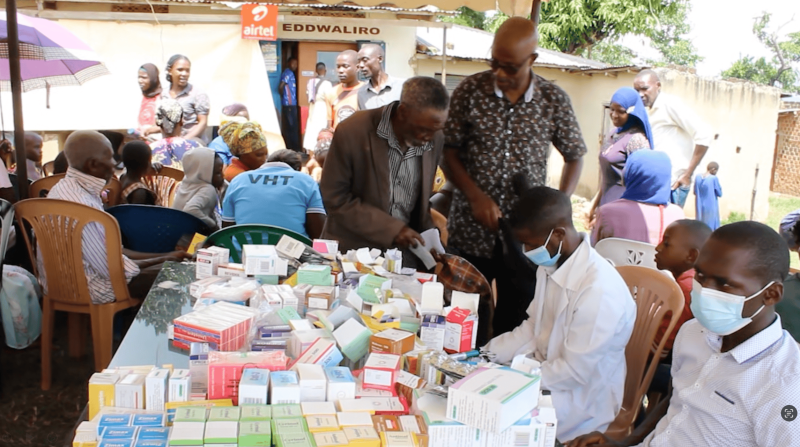
Schools have been identified as key vaccination centers due to their organized structures. The Ministry of Education has already granted permission for health workers to carry out immunizations in schools across the 19 districts.  
 
Yellow fever is a viral hemorrhagic disease transmitted primarily by infected ,Aedes aegypti mosquitoes, the same vectors responsible for dengue and Zika viruses. Uganda, with its tropical climate and numerous water bodies, provides an ideal breeding ground for these mosquitoes.  

Previous outbreaks,  were recorded between 2010 and 2011 in northern Uganda’s Abim, Agago, and Kitgum districts, where over 180 cases were reported. The disease is particularly deadly because:  
- It has no specific treatment—only supportive care is available.  
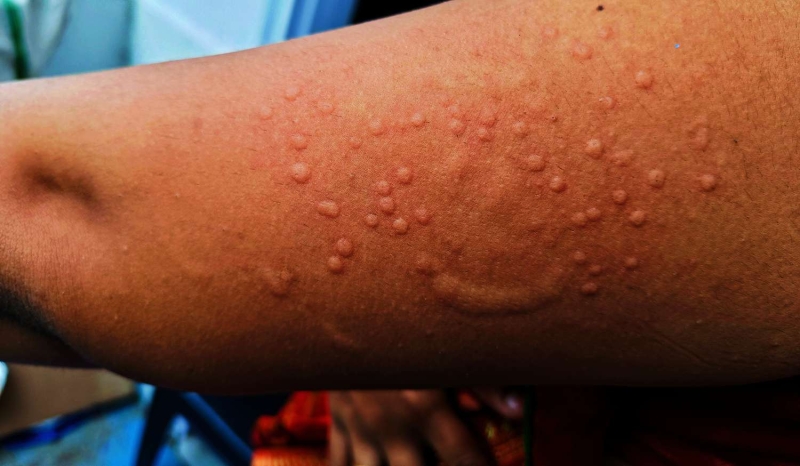
- It can cause severe symptoms,  including high fever, jaundice, bleeding, and organ failure.  
- It spreads rapidly  in areas with low vaccination coverage.  
 
Despite the urgency of the vaccination campaign, Dr. Nsubuga highlighted several obstacles, Some religious and cultural groups prohibit their members from receiving vaccinations.  ,  Weather Conditions,  Heavy rains during this season disrupt vaccination activities, making it difficult for health workers to reach remote areas.  ,  Limited Health Workforce The government has insufficient health personnel to cover all regions effectively.  

Dr. Nsubuga urged locals to visit  government health centers for vaccination, emphasizing that despite challenges, authorities remain committed to curbing the outbreak.  
 
To combat yellow fever, the Ministry of Health recommends:  
  •  Vaccination – A single dose provides lifetime immunity.  
  •  Mosquito Control Use of insecticide-treated nets, indoor residual spraying, and eliminating stagnant water.  
  •  Public Awareness*– Educating communities on symptoms (fever, headache, jaundice) and early treatment-seeking behavior. 
With the rainy season accelerating mosquito breeding, the risk of yellow fever spreading remains high. The government’s vaccination campaign is a critical step in preventing a larger epidemic. Health officials call for community cooperation to ensure the success of the immunization drive and reduce preventable deaths.  


There was jubilation at River Mubuku in Kisojo Lower Cell, Mubuku Town Council, Kasese District, after two minors and their father were miraculously rescued from the swollen river at midnight, hours after they had been trapped.

More Articles …