
The number of women dying during childbirth in Uganda remains alarmingly high, with experts warning that urgent and collective action is needed to save lives.
According to health officials, an estimated 12 women die every day while giving birth, a figure that, although improved from about 30 deaths daily in previous years, continues to raise serious concern among stakeholders in the health sector.
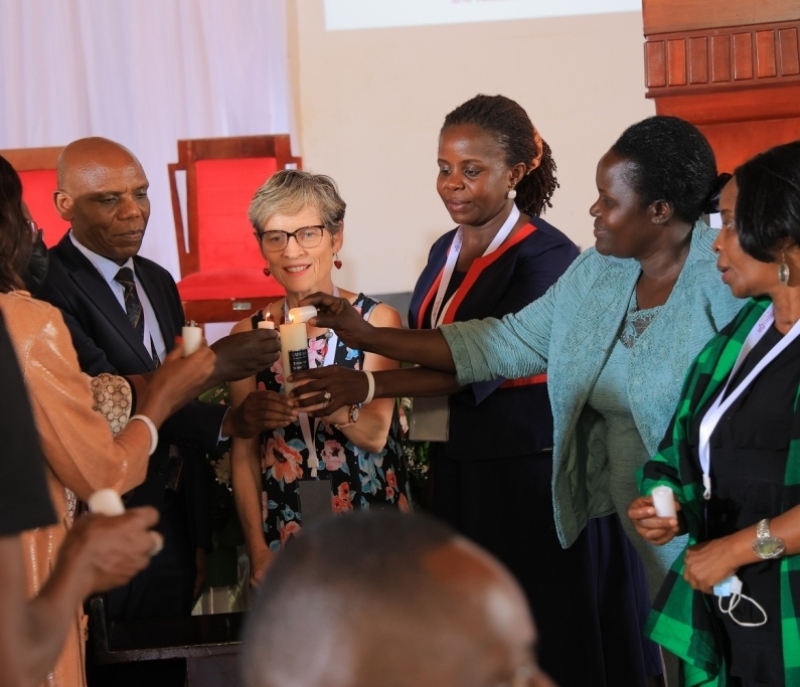
These concerns were highlighted by the Executive Director of Save the Mothers East Africa, Dr. Mushin Nsubuga, during the organization’s annual conference held at Uganda Christian University (UCU) in Mukono. The conference attracted participants from across the region and beyond, under the theme: “Every Change Matters: Multidisciplinary Collaboration in Reaching Every Woman and Every Newborn Everywhere.”
Dr. Nsubuga commended the government for strides made in reducing maternal mortality but stressed that the progress remains insufficient. He called for a multi-sectoral approach, urging individuals, communities, and institutions to take shared responsibility in tackling the persistent challenge.
He identified several key factors contributing to maternal and newborn deaths, including delays in accessing health facilities, inadequate medical equipment, shortages of skilled health workers, and transport challenges—particularly for expectant mothers living in hard-to-reach areas such as islands. Poverty also continues to hinder many women from seeking timely and appropriate care.
Delivering the keynote address, Professor Jerome Kabakyenga noted that young people are disproportionately affected due to limited access to youth-friendly reproductive health services. He also cited negative attitudes among some health workers, early pregnancies, and lack of adequate resources as significant barriers to safe motherhood.
The Deputy Vice Chancellor of UCU, Professor Aaron Mushengyezi, reaffirmed the institution’s commitment to improving maternal health through training and research. He emphasized that investing in maternal and child health is critical to national development, noting that saving mothers and children ultimately safeguards the future of the country.
“Maternal health is not just a medical issue; it is a national priority that requires the involvement of everyone, without discrimination,” he said.
David Mugawe, a board member of Save the Mothers East Africa, expressed optimism over the gradual decline in maternal deaths since the organization began its work in 2005. However, he acknowledged that challenges such as inadequate equipment in health facilities persist, despite ongoing efforts to improve maternity wards and supply essential medical tools.
Dr. Mugawe also called for increased male involvement in maternal health matters, emphasizing that the responsibility of ensuring safe childbirth should not be left to women alone.
The Chairperson of the organization and former Mityana District Woman Member of Parliament, Hon. Sylvia Senabulya Namabidde, attributed the progress made so far to strong collaboration between government and various stakeholders. She urged continued commitment to ensure that no woman dies while giving life.
The State Minister for Primary Health Care, Hon. Margaret Muhanga Mugisha, who officiated as the chief guest, underscored the critical role of mothers in national development. She noted that without mothers, the nation cannot exist, as they are the foundation of life.
Hon. Muhanga revealed that the government has constructed more than 100 health facilities across the country to improve access to maternal health services. She encouraged women to seek professional medical care during childbirth and discouraged reliance on traditional birth attendants.
“Healthy mothers give birth to healthy children, and this builds strong families and communities,” she said, calling for collective efforts to strengthen the healthcare system and improve outcomes for mothers and newborns.
Despite the progress recorded, stakeholders agree that more needs to be done to eliminate preventable maternal deaths and ensure that every woman has access to safe and quality childbirth services.










Disqus comments error!
Disqus shortname is required to use Disqus comments. Please ensure you have specify a valid registered Disqus shortname.