
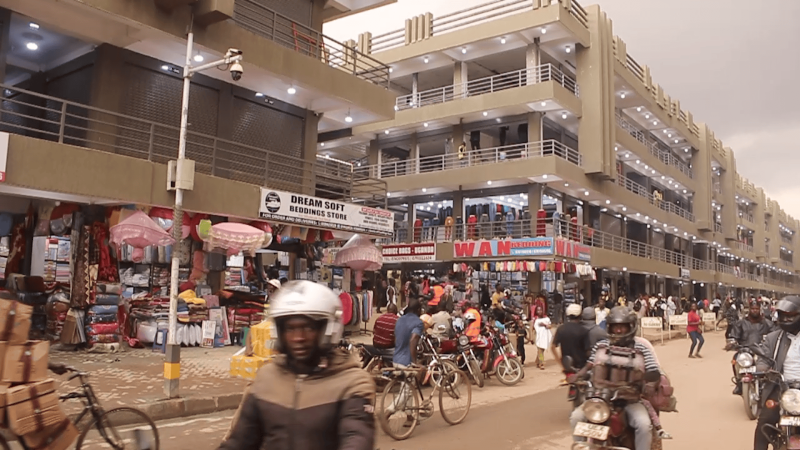
The division of Kampala Central is one of the five that make up our metropolis, alongside Lubaga, Nakawa, Makindye, and Kawempe. But within Kampala Central lie two areas so intertwined, so close, that they are almost inseparable: Kisenyi and Nakivubo.
For decades, these names evoked a specific image in the minds of Kampala residents—one of chaos, crime, and neglect. But today, the story is changing. Tonight, we look at the remarkable transformation of Kisenyi and Nakivubo, and the forces driving this urban renaissance.
To understand the magnitude of the change here, we don't need to look back 20 years. Let's just rewind to about a decade ago. Nakivubo was notorious, a haven for thieves and drug dealers—a place many feared to enter. Kisenyi, on the other hand, was known as a hub for scrap metal dealers and informal workers. But as Kampala has grown, so has the ambition of its people.
NARRATION: Kampala is a city of aspiration, drawing people from all over the country to seek opportunity. While many of the city's elite chose to settle in the upscale neighborhoods of Kololo, Nakasero, and Muyenga, a few made a different, bolder choice. They decided to invest right in the heart of the old city, in Kisenyi and Nakivubo.
Prominent among these are businessman Hamis Kiggundu and investor Bosco Muwonge. They were among the first to erect major commercial buildings in these areas, sparking a wave of transformation.
NARRATION: Hamis Kiggundu, one of Kampala's most visible investors, was pivotal. He was the first to demonstrate that Nakivubo could be rehabilitated. He transformed the notorious channel into a modern, fenced-off space and constructed commercial plazas that have completely altered the landscape, turning a den of iniquity into a bustling business hub.
This sentiment is echoed by long-time residents who have witnessed the change firsthand.
"For 30 years, I have done business and worked here in Kisenyi and Nakivubo. I have seen it all. In the past, Nakivubo was a very bad place because of the big, open sewage channel that was there. That channel is gone. It is now fenced off. After businessman Hamis Kiggundu developed it, the whole area changed."
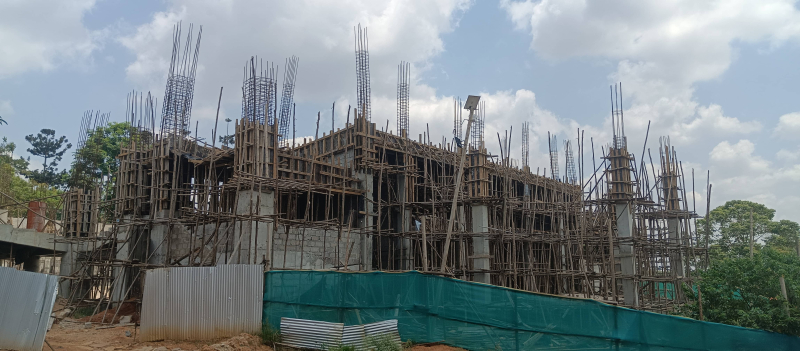
NARRATION: The change is palpable. Today, walking through Kisenyi, you could easily mistake it for a premier commercial district. The new buildings and bustling businesses mask its old reputation. Just five months ago, Hamis Kiggundu began construction on the new Nakivubo trade center, adding more modern structures that further beautify the area.
Local leaders and residents commend the government's role in creating an environment that allows private investors to lead this redevelopment.
"The government has done well to give opportunities to wealthy investors like Hamis Kiggundu and Bosco Muwonge to develop Kisenyi and Nakivubo. If you compare these places now to ten years ago, the difference is huge. Back then, if you went to Kisenyi or Nakivubo, you could easily get into trouble because of how bad it was. Now, you go there and you are impressed by how good it looks."
NARRATION: It's hard to miss the irony of this development. Right beneath these new commercial buildings lies the old Nakivubo channel, which once posed a serious health hazard. Vendors who were evicted from the streets of Kampala used to gather here. The area was plagued by open defecation, foul smells, and disease, a problem the Kampala Capital City Authority (KCCA) struggled to solve.
NARRATION: But now, this once-dreaded place is a source of pride for the residents who work and live here. The transformation is so profound that locals now compare the commercial buzz of Kisenyi and Nakivubo to business hubs in Dubai or Thailand. Trade that once started here now radiates out to the rest of Kampala. The improved look, driven by Kiggundu's investment, is attracting traders and customers from as far as Congo, Sudan, Rwanda, and Burundi.
The story of Kisenyi and Nakivubo is a powerful testament to how strategic private investment can revitalize a community, turning a place of fear into a beacon of commerce. It's a conversation about the new face of Kampala.






Disqus comments error!
Disqus shortname is required to use Disqus comments. Please ensure you have specify a valid registered Disqus shortname.