
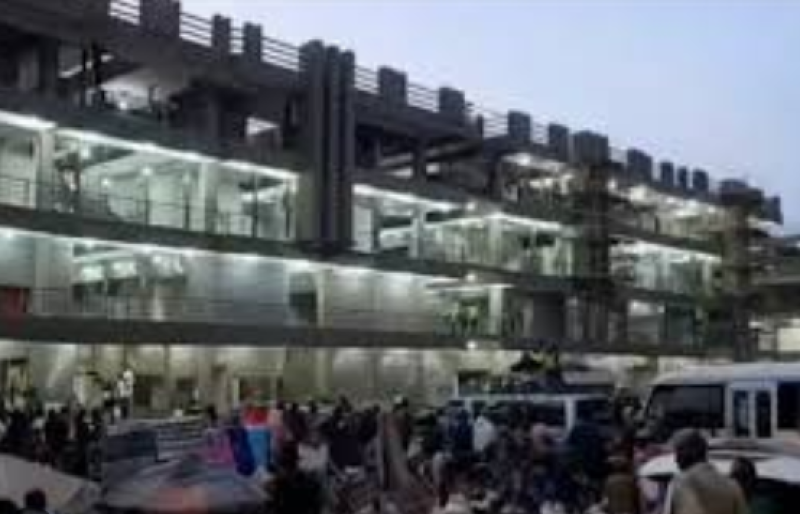
For decades, it was Kampala's hidden shame—an open sewer, a breeding ground for crime, and a death trap during every heavy downpour.
Businessman Hamis Kiggundu, popularly known as Ham, has entered the final stage of redeveloping the Nakivubo Channel. And what was once the city's most dangerous drainage trench is now being reborn as a destination of choice.
For years, traders feared it. Mothers avoided it. And every rainy season, businesses are drowned in floods that steal livelihoods and claim lives.
New photos from the site show advanced work to cover and expand the channel. The width has been doubled—from six metres to twelve. Engineers project that this upgraded system will serve Kampala for the next fifty to seventy years.
"Nakivubo Channel has been a source of floods, insecurity and loss of life for too long. This redevelopment is about giving Kampala a clean, safe and modern drainage system. It's a responsibility we owe our people, and a statement that Uganda is ready for the future".
Underground flood-control chambers. Solid waste filtration systems. Pedestrian walkways. Green public spaces. And above it all, commercial properties that will generate revenue—not for foreign donors, but for the Ugandan businessman who is financing this entirely at his own cost.
No government budget. No foreign loans. Just a local investor betting on his own city.
During a recent heavy downpour that submerged several parts of Kampala, the Nakivubo and St. Balikuddembe area remained largely dry. Traders who once packed up their goods at the first sight of clouds finally slept easily.
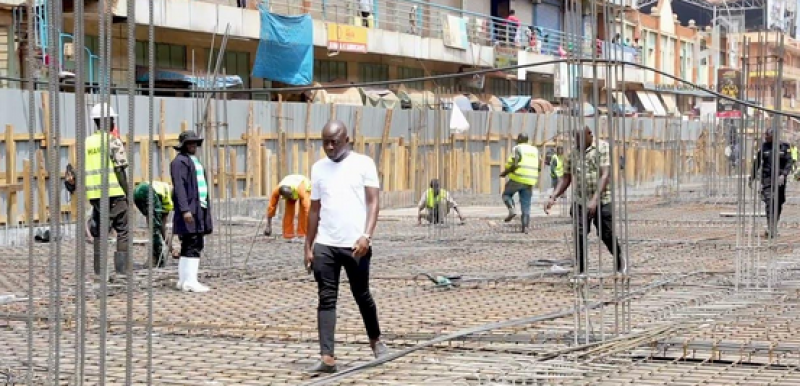
The change is not cosmetic. It is structural.
President Yoweri Museveni himself endorsed this vision, calling Ham's proposal—quote—"imaginative and simple" and "a really godly proposal".
With Uganda co-hosting AFCON 2027, CAF inspection teams had flagged the open channel as a major risk to Nakivubo Stadium's international approval. By covering it, Ham has removed that barrier—securing both the stadium and the nation's sporting credibility.
Lord Mayor Erias Lukwago has fought the project at every turn. But KCCA councillors themselves have distanced the authority from his claims, confirming that at no point did they resolve to halt or reject the redevelopment.

The open trench that invited rubbish, claimed lives, and repelled investment is being replaced by something Kampala has never had: a modern urban corridor that works.
It is about engineering solving what neglect created.
Traders will trade without fear. Commuters will walk without holding their noses. Investors will see a city that builds, not just talks.







Disqus comments error!
Disqus shortname is required to use Disqus comments. Please ensure you have specify a valid registered Disqus shortname.