
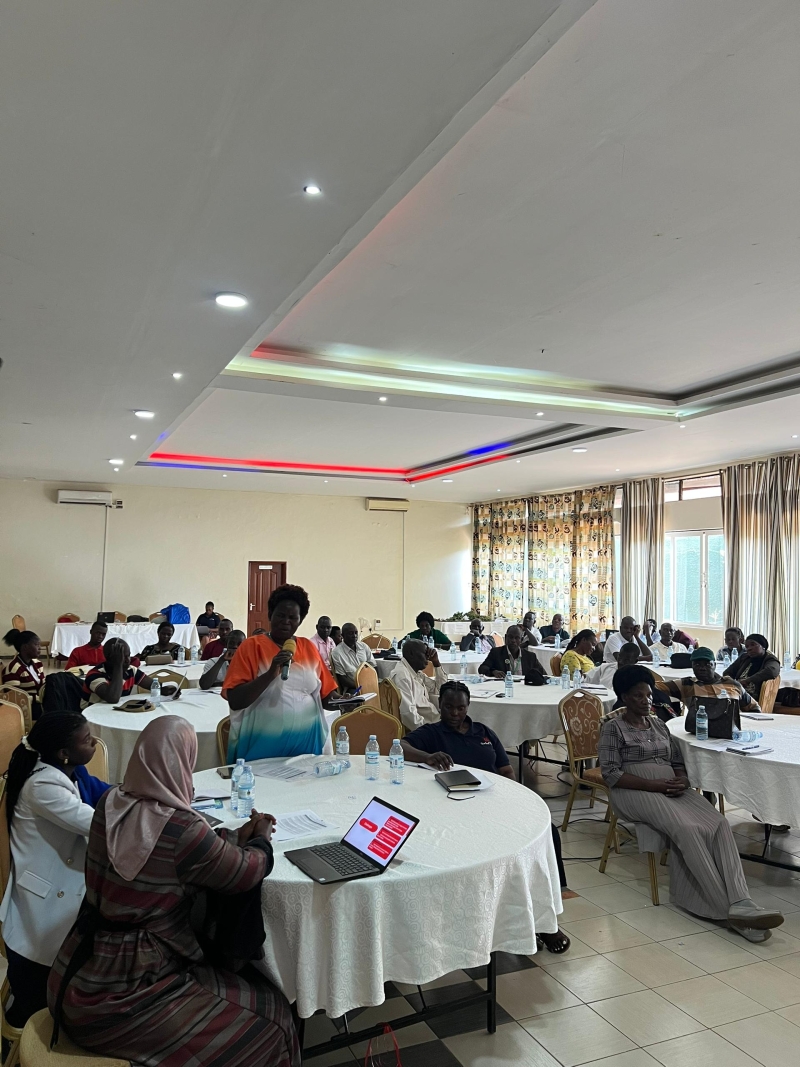
Members and partners of Slow Food Uganda gathered to celebrate a decade of transformative work in promoting sustainable food systems, agroecological practices, and the preservation of Indigenous food traditions across the country.
The event, held as part of the organization’s Annual General Meeting, brought together a vibrant community of farmers, food advocates, and development partners to reflect on ten years of impact since Slow Food Uganda’s formal registration in 2015. The celebration was led by the organization’s president, Hajjati Hanati Kasula, alongside team leader Edward Mukiibi.
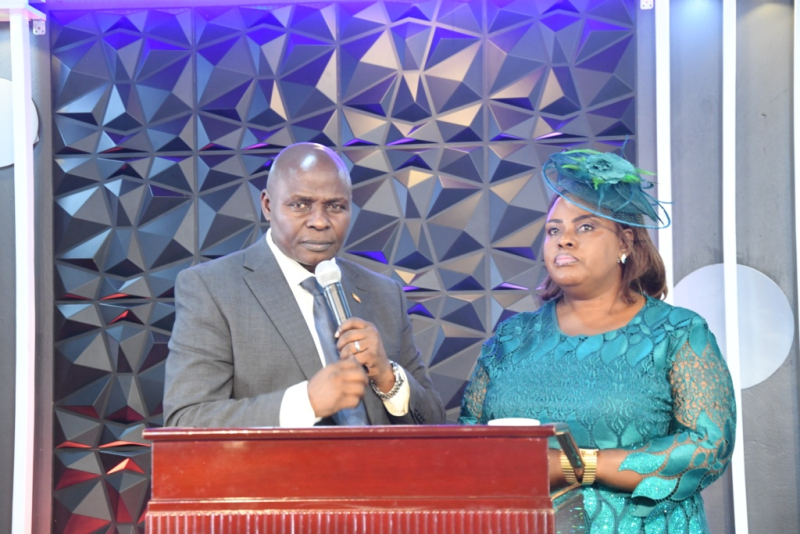
In her remarks, Hajjati Hanati Kasula commended members and partners for their unwavering commitment to building a food system that respects the environment, safeguards animal welfare, and prioritizes human health. She noted that the organization’s journey has been driven by collective action and a shared vision for a better food future.
Since its inception, Slow Food Uganda has been at the forefront of agroecological transformation. Through initiatives such as the Ark of Taste and Presidia projects, the organization has played a critical role in identifying, cataloging, and protecting biodiversity resources at risk of extinction. These efforts have helped revive Indigenous crops and strengthen local food heritage.
The organization has also fostered stronger connections within the food value chain through initiatives like Earth Markets and the Chefs’ Alliance. These platforms have created direct links between producers, consumers, and chefs, encouraging collaboration and inspiring stakeholders to take action toward improving the food sector.
Over the past decade, Slow Food Uganda has empowered farmers, preserved Indigenous seeds, and inspired youth engagement in sustainable agriculture. Communities across the country have benefited from knowledge-sharing, innovation, and capacity-building efforts that promote resilience and food sovereignty.
During the event, the team leader at Slow Food Uganda, Edward Mukiibi, who doubles to be the Slow Food International President, appreciated the contribution of each member, highlighting how the movement has transformed livelihoods, reconnected people to the cultural and nutritional value of their food. The organization’s work, he noted, continues to cultivate hope for future generations by promoting food systems that are “Good, Clean, and Fair for everyone.
The celebrations concluded with a memorable dinner, where members expressed appreciation for one another’s contributions and reaffirmed their commitment to strengthening Uganda’s food systems.
The organization looks ahead, and it remains steadfast in its mission to nurture a movement that celebrates culture, sustainability, and community-driven solutions for a resilient and inclusive food future.










Disqus comments error!
Disqus shortname is required to use Disqus comments. Please ensure you have specify a valid registered Disqus shortname.