
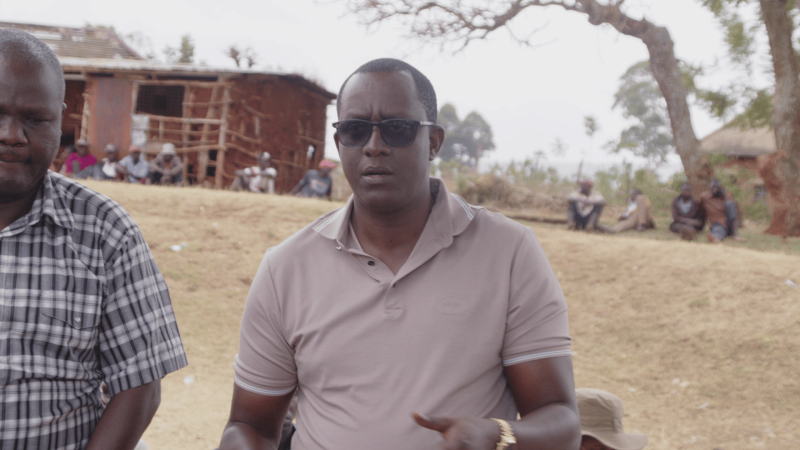
The clash erupted during a heated gathering called to discuss a proposal by Itracom, an investment company, to utilise 500 acres of the cooperative's 1,766-acre landholding to establish fertiliser production facilities. The investor, Jean from Burundi, has pledged to inject over 52 billion shillings into the project, promising cutting-edge organo-mineral fertiliser technology that he says will revolutionise agriculture in the Sebei region.
"You say you are taking 500 acres to produce fertilisers," one young man who identified himself as "the champion of the poor" told the investor. "Now, where on earth will the farmers use those fertilisers since you will have taken their land? Please, Mr Investor, no one should give you even false hope that you will get any land here."
The core of the farmers' grievance centred on representation. They argued that the union board members who negotiated with Itracom had no mandate to do so—their tenure having allegedly expired.
Former board member Aliga Muteyi Alex confirmed this position, acknowledging the project's potential while firmly rejecting its current form. "Whereas the project is promising, farmers who have been cultivating on the land that is set to be taken over are concerned that their livelihoods will be affected," Alex said. "The investor and government used the wrong people—board members whose time in office had already expired."
"Since you are taking our land and promising that we locals will be working for you, that means we shall be your slaves in these modern times," the resident charged, drawing murmurs of agreement from the gathering.
"We are not taking any land from the farmers," Jean explained. "We simply want to invest over 52 billion shillings and develop the community inthe Sebei region."
He outlined ambitious plans to introduce organo-mineral blend technologies that would boost crop yields, reduce reliance on traditional maize farming that has "over the years had less impact on the livelihoods of the farmers," and create new income opportunities for locals through supplying raw materials and accessing affordable, high-quality fertilisers.
According to Jean, farmers in Bukwo stood to gain significantly through higher productivity in maize and potatoes, improved soil fertility through eco-friendly nutrient management, and greater resilience to erratic weather patterns.
"The investors are dealing with the wrong people for a good cause," several farmers noted, advising the investor to "go back to the drawing board before thinking of using our land."
The meeting ended prematurely when rain swept through the area, forcing participants to disperse before any conclusions could be reached. No date has been set for the next meeting.
For now, the status quo prevails: farmers continue cultivating their land, and the investor, along with his 52 billion shilling,s must figure out whether the Sebei land will ultimately yield profit or prove to be an opportunity lost.









Disqus comments error!
Disqus shortname is required to use Disqus comments. Please ensure you have specify a valid registered Disqus shortname.