
A conflict that began with three nations now threatens to engulf the world. The global crisis over fuel prices has intensified, and most nations are suffering as oil becomes increasingly expensive and scarce.
Regarding the ongoing fuel crisis affecting the entire world, this is a conflict between America and Israel on one side, and Iran on the other. This war began in February of this year and is still ongoing. It has since spread to other nations in ways that disrupt the normal transportation of fuel. However, this war has not yet fully erupted.
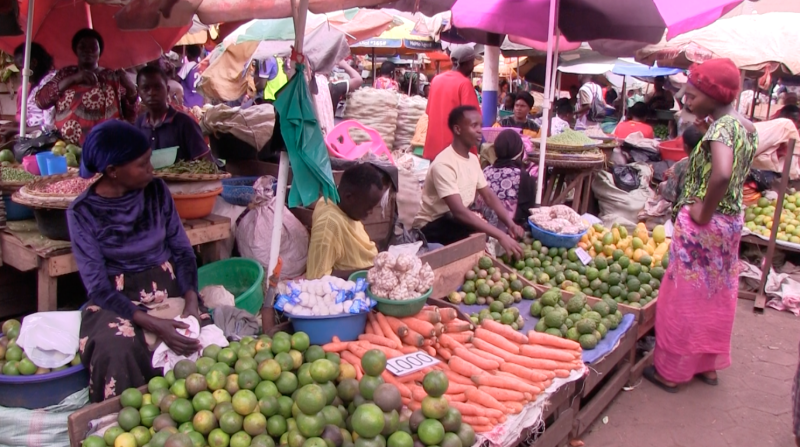
At St. Balikuddembe Market. Many are familiar with the situation there as they explain to us the current conditions they are facing amidst this fuel crisis and the rising prices of available fuel products.
Most of the fuel used to power the world passes through a narrow passage called the Strait of Hormuz. These days, Uganda feels the impact of this pinch as well. This strait is located north of Iran, between the Persian Gulf and the Gulf of Oman, on the edge of the Indian Ocean.
However, according to an agreement made by the international community—which was signed by the nations that transport goods through the Strait of Hormuz—the strait was declared to have no single owner. Yet Iran retained power and control over it because it falls within their territorial waters. Iran uses this control to pressure nations that have no involvement in their conflict with America.
I want you to understand the source of rising fuel prices—where it comes from until it reaches our country, where fuel is becoming increasingly scarce. Traders have told us through their voices that the situation has reached a critical point.
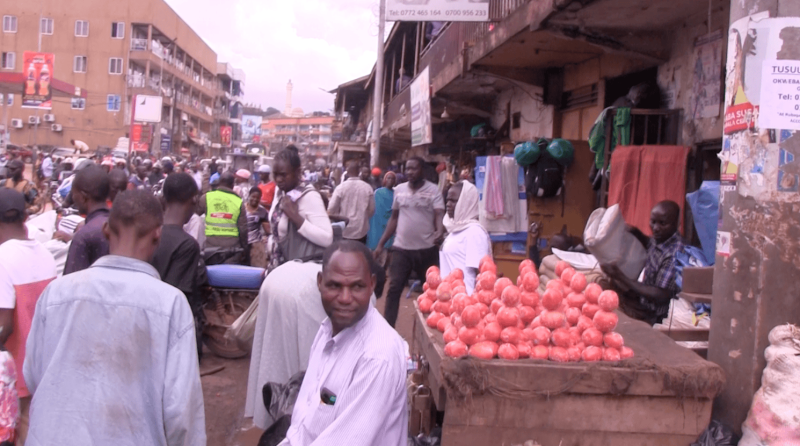
In this environment, traders who operate at Owino Market are worried because the prices of goods they bring from various districts of Uganda are rising. They say the problem stems from fuel, as some filling stations have no fuel.
We closely examined traders who transport fruits that affect daily life and food supplies—items like bananas (matoke), oranges, tomatoes, watermelon, and citrus fruits. They bring these from rural areas. They say they can no longer transport them to Kampala because vehicle owners are charging them excessive fees for the little fuel available. KaketoYasin explained this in his statement.
We also spoke with chicken traders who bring their stock from districts including Soroti and several others. They too are struggling. They say chicken farmers in Uganda are suffering from high feed costs. They have spent a long time without getting these chickens because of the excessive transport costs to bring them to market. Even the suppliers admit it's the same problem—fuel is simply unavailable.
These chicken traders, in their statements, have asked the government to step in—to store fuel in its reserves, distribute it to filling stations, and show mercy to the struggling citizens.
In their complaints, they say they had hope when they heard Minister Dr. Ruth Nankabirwa mention that Uganda has sufficient fuel reserves. But now they are shocked, as fuel appears to be running out completely in the country.
Tamale Pafula, who sells matoke at this market, says the bananas come from western districts. But now, transporting a truckload of matoke to Kampala comes at a very high cost, and some filling stations on that route have no fuel at all. Others who bring mangoes from far away are also stranded in the bush.
This is their basis for using their voices to appeal to the Government of Uganda to do everything possible to lower fuel prices. If the situation continues like this, the economy will collapse.
Currently, fuel prices fluctuate daily—one morning the price is stable, but by the next day it has gone up again. According to local traders, there needs to be a limit imposed on fuel dealers, telling them to stop playing games with Ugandans by increasing prices whenever they wish.
Kasule Emmanuel, the leader of traders operating at Owino Market at this time and their spokesperson, says that although fuel has started to frustrate them severely, traders will not yet raise their prices. However, if the fuel situation continues to tighten, they will have no choice but to increase what they charge for their goods.
The rising fuel prices do not just prevent traders from bringing goods to market or shops. The person most affected by this is you—the end consumer who uses these products. While traders complain among themselves, we who buy from them can only pray to God to intervene in this fuel matter—that prices be stabilized.








Disqus comments error!
Disqus shortname is required to use Disqus comments. Please ensure you have specify a valid registered Disqus shortname.