
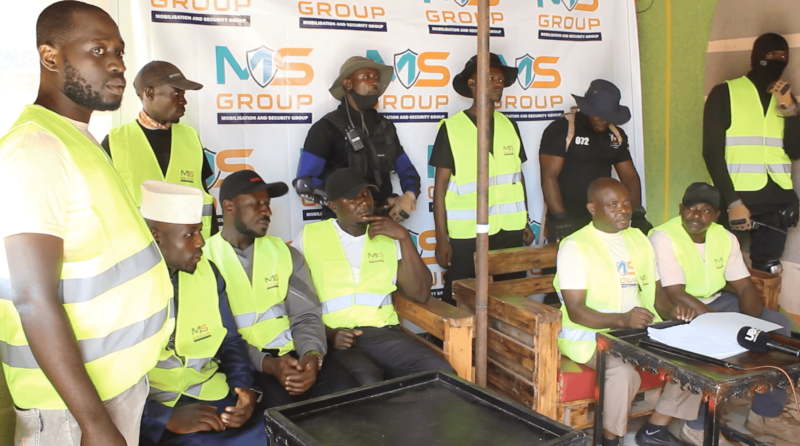
A gathering of the Mobilisation and Security Group (MS) in Nansana has brought to light growing discontent among Ugandan youth regarding their treatment by political actors. Members of the organisation expressed frustration at being used for political mobilisation without receiving meaningful support in return.
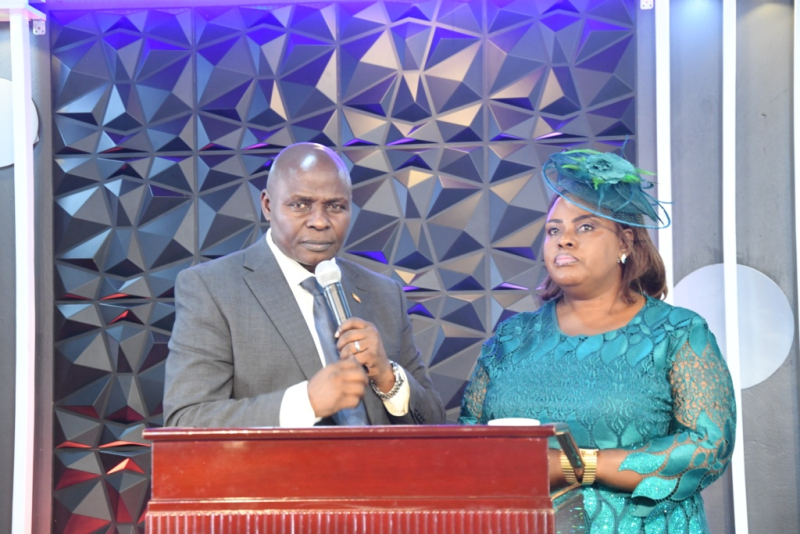
During a press briefing, MS Chairperson Kafeero Atanansi highlighted the economic hardships facing young people, noting that many government programs, such as the Parish Development Model (PDM) and Emyooga, remain inaccessible to the majority. "Our members struggle to benefit from these initiatives despite their active participation in political activities," Atanansi stated.
The group's secretary, Lugemwa Ashiraf, pointed to deeper structural issues, explaining that many young people lack the basic knowledge and resources to engage productively in either politics or economic ventures. In response, MS has launched an empowerment programme aimed at educating youth about political processes while promoting practical skills in livestock rearing and agriculture.
Bukenya Geoffrey Tanka, one of the initiative's coordinators, expressed optimism about its potential impact. "Through these projects, we hope to create tangible change in our communities," he said. The programme represents an effort to shift from political dependency to self-sufficiency among Uganda's youth population.
Why this matters: With national elections approaching, these concerns highlight the precarious position of youth groups caught between political mobilisation and economic vulnerability. The MS initiative reflects a growing desire among young Ugandans for more substantive engagement beyond being used as political tools.
Kayanja Amon, another member, emphasised the need for sustainable solutions that address both economic and political empowerment simultaneously. As the 2026 elections draw nearer, the effectiveness of such grassroots efforts in creating meaningful change remains to be seen.






Disqus comments error!
Disqus shortname is required to use Disqus comments. Please ensure you have specify a valid registered Disqus shortname.