
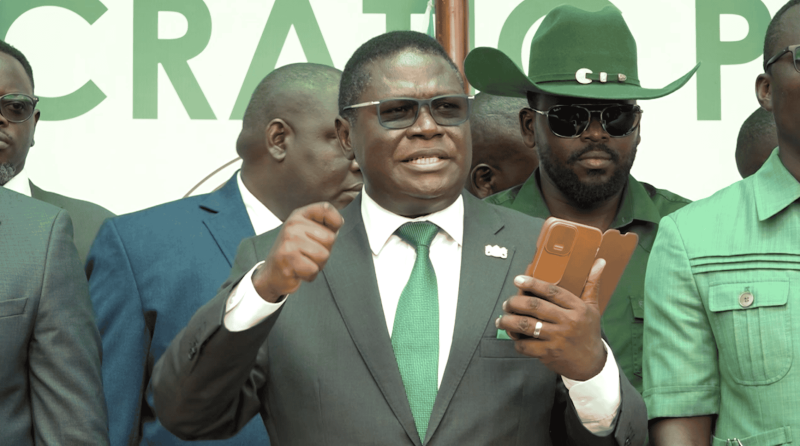
Democratic Party president Norbert Mao has responded firmly to growing criticism from within his party, dismissing claims that he has failed to deliver meaningful results during his tenure. Speaking to supporters and party members, Mao characterised the discontent as misguided, stating that those calling for his resignation fail to understand the complex political landscape in which the DP operates. He strongly denied allegations that the party had been compromised by the ruling NRM government, challenging his detractors to present concrete evidence to support their claims.
Mao emphasised his commitment to rebuilding the party's strength through dialogue and strategic engagement rather than confrontation. He pointed to his efforts to maintain stability within the DP despite significant external pressures, noting that the party continues to play an important role in Uganda's political discourse. The DP leader stressed the importance of focusing on substantive policy issues rather than internal power struggles, calling for unity among members as the country moves toward another election cycle.
The party president also addressed the need for generational transition within the DP leadership, acknowledging the growing influence of younger members while cautioning against impulsive decision-making. He announced plans to work closely with Fred Mukasa Mbidde, his chosen successor, to ensure continuity in the party's vision and values. This move appears designed to balance the demands for new leadership with the institutional knowledge of experienced party stalwarts.
However, Mao's position faces significant challenges from within the party structure. DP Secretary General Dr. Gerald Siranda Black has taken steps to assert his authority by relocating to Mbarara District to comply with constitutional requirements for party leaders. This development suggests an emerging power struggle within the DP's upper echelons as different factions position themselves for future leadership contests.
The internal DP tensions coincide with renewed political manoeuvring by the ruling NRM party, with strategist Samuel Kwooya publicly declaring his intention to leverage the NRM's organisational and financial advantages in the lead-up to the 2026 elections. Kwooya's comments about overwhelming opposition parties with resources have added urgency to the DP's need to resolve its internal differences and present a united front.
Political observers note that the Democratic Party stands at a critical juncture, facing pressure to modernise its approach while maintaining its historical identity. The coming months will test whether the party can bridge generational divides and ideological differences to remain relevant in Uganda's evolving political landscape. As the debate over leadership styles and strategic direction continues, the DP's ability to articulate a clear vision for the country may determine its prospects in the next national elections.




Disqus comments error!
Disqus shortname is required to use Disqus comments. Please ensure you have specify a valid registered Disqus shortname.