
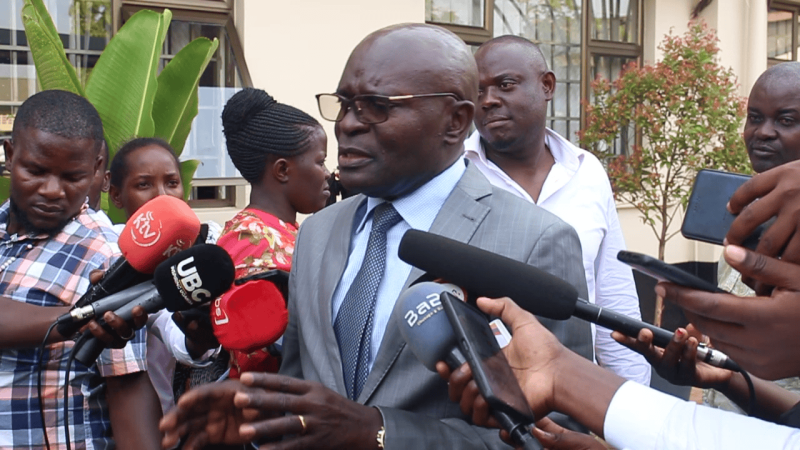
Kampala, Uganda – In a tense four-hour consultation meeting today, presidential candidate agents from across the political spectrum voiced sharp disagreements with the Electoral Commission (EC) over the operationalisation of a new biometric voter verification system and ongoing campaign restrictions, casting doubt on the transparency and management of the upcoming elections.
The meeting, which brought together agents from all presidential camps, centred on critical logistical and procedural concerns just months before the polls. The discussions grew heated as agents challenged the EC’s preparedness and neutrality.
Last week, the EC unveiled an additional 49,000 biometric machines, bringing the total to 100,000 units—enough for two devices per polling station. While the Commission has assured the public that this will enhance the integrity of the vote, several party representatives expressed deep scepticism.
Augustine Ojebire, representing the Forum for Democratic Change (FDC), raised alarm over what he described as a critical knowledge gap. “The EC boss himself confessed to having limited technical knowledge of how these machines operate,” Ojebire stated. “How can we trust a system that its own custodians do not fully understand?”
Agents also criticised the lack of comprehensive voter sensitisation on the use of the new technology, warning that confusion on election day could lead to disenfranchisement and disputes.
David Lewis Rubongoya, Secretary General of the National Unity Platform (NUP), launched a direct attack on the EC’s authority. “The Commission is not in charge of these elections,” he asserted. “Its powers have been usurped. Our candidates are consistently harassed, especially when attempting to hold processions, yet other parties operate with impunity.”
He also cited ongoing political violence, referencing the recent official attack on FDC candidate Mafaabi by suspected NUP supporters, as evidence of a deteriorating security environment that the EC has failed to mitigate.
Rogers Buchwa, representing the Alliance for National Transformation (ANT), challenged the EC’s polling station data. “The Commission claims there are 50,000 polling stations, yet its own earlier plan indicated 420,000. Why has it failed to officially gazette the final tally?” he questioned.
Buchwa also opposed a recent EC directive instructing voters to leave polling stations immediately after casting their ballots, arguing it could undermine the transparency of the counting process and agent oversight.
Moses Byaruhanga, representing the National Resistance Movement (NRM), struck a conciliatory tone, stating that the meeting had achieved consensus on the need for organised public meetings and processions along approved routes.
However, the police representative issued a firm warning, stating that security forces have the right to “use any means necessary,” including tear gas, to prevent public disorder if candidates deviate from approved guidelines. The official justified the past use of force as a response to “prevailing conditions” of non-compliance.
Today’s contentious dialogue highlights the significant trust deficit between the Electoral Commission and key political stakeholders. With critical issues—from technology readiness and voter education to policing and transparency—still unresolved, the path to a peaceful and credible election appears increasingly fraught.
The EC has yet to issue a formal response to the concerns raised. All eyes will now be on whether further consultations can bridge the gap or if these disputes will define the contentious atmosphere of the 2026 electoral season.









Disqus comments error!
Disqus shortname is required to use Disqus comments. Please ensure you have specify a valid registered Disqus shortname.