
Advocates demand UGX 234.8 billion for direct cash support to children with disabilities in upcoming budget
Disability rights advocates and parliamentary forums are pushing for direct cash assistance for children with disabilities in Uganda’s 2026-2027 national budget.
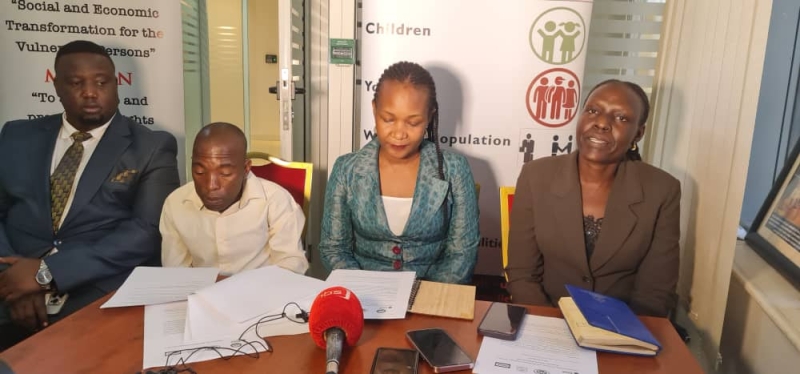
As the Ugandan government begins preparations for the 2026–2027 national budget, a coalition of disability rights advocates and parliamentary forums is pushing for a transformative social protection program: direct cash assistance for children with disabilities, separate from existing family benefits.
The coalition, which includes the Uganda Parliamentary Forum on Social Protection and the Uganda Parliamentary Forum on People with Disabilities, is urging the allocation of UGX 234.8 billion in the forthcoming financial plan to launch this initiative.
Under the proposal, every household with a child under 18 living with a disability would receive a monthly stipend of UGX 100,000 to address the child’s specific needs—from healthcare and assistive devices to specialized education and rehabilitation.
This appeal comes amid recent government reforms to the Senior Citizens Grant, which saw monthly payments increase from UGX 25,000 to UGX 35,000 and the eligibility age drop from 80 to 65. Advocates argue that children with disabilities deserve similarly targeted support.
Recent 2024 national data underscores the urgency of the request, revealing that 1,721,776 children and adolescents aged 2 to 17 are living with disabilities. This significant demographic often faces compounded vulnerabilities due to limited access to essential services and the high cost of inclusive care.
Gloria Nakajubi, a representative of the advocacy coalition, emphasized that the proposed fund would allow the Ministry of Gender, Labour and Social Development to systematically roll out the program, ensuring no child is left behind.
With the country in an election season, advocates also issued a stern warning to politicians against exploiting persons with disabilities for political gain.
“We urge all candidates not to undermine the trust of persons with disabilities,” said activist Joel Kawanguzi, who spoke on behalf of many in the disability community. “Our needs require genuine commitment, not empty campaign promises.”
Looking beyond immediate budget allocations, the coalition proposed a long-term financing model: dedicating 5% of future oil revenues to sustainably fund the disability grant by 2030.
If adopted, this program would mark a major shift in Uganda’s social protection framework—recognizing children with disabilities as independent beneficiaries deserving of state support. It would also align Uganda with global best practices in disability-inclusive development.
The appeal now rests with policymakers as budget discussions gain momentum. The coming weeks will reveal whether the state will open a new chapter of direct support for its youngest and most vulnerable citizens.









Disqus comments error!
Disqus shortname is required to use Disqus comments. Please ensure you have specify a valid registered Disqus shortname.