
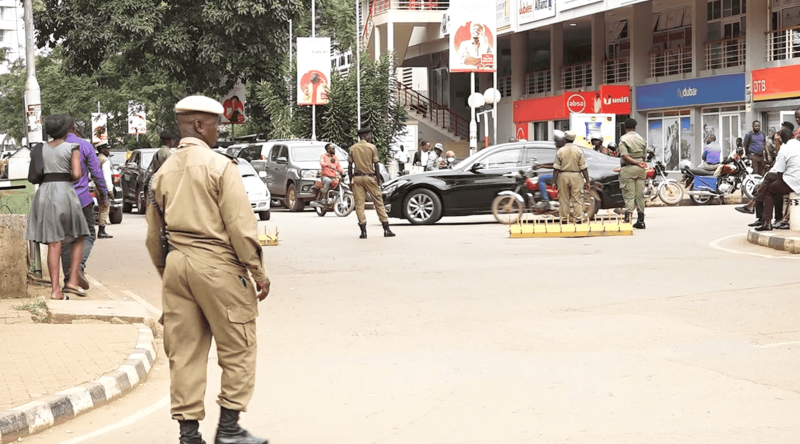
Kampala witnessed unprecedented security measures today as authorities deployed heavily armed personnel around the Parliamentary precinct and all major access routes. This security clampdown comes as legislators prepare to debate the controversial UPDF Amendment Bill 2025, creating significant disruptions to normal activities in the city centre.
The enhanced security presence has transformed the parliamentary neighbourhood into a virtual fortress, with multiple layers of checkpoints screening all individuals attempting to access the area. Lawmakers, parliamentary staff, journalists, and members of the public alike faced rigorous security checks, causing substantial delays and logistical challenges. Several Members of Parliament reported having to abandon their vehicles and proceed on foot through the tight security cordon.
The timing of these security measures has raised eyebrows, coinciding with two critical parliamentary events: the ongoing debate on the national budget for the 2025/2026 fiscal year and the impending discussion of the contentious UPDF legislation. Speaker Anita Among was compelled to adjourn the morning session after just one hour due to an insufficient quorum, with many MPS reportedly struggling to navigate the heightened security protocols.
Transport services in the area experienced severe disruptions, particularly affecting boda boda operators who found their usual routes blocked or heavily monitored. Civil servants and visitors to government buildings in the vicinity also faced unprecedented delays, with some abandoning their planned visits altogether.
The UPDF Amendment Bill at the centre of this security attention proposes significant changes to military justice procedures, including expanded jurisdiction of military courts. These provisions have drawn sharp criticism from opposition members and civil society organisations who argue they could undermine constitutional protections for civilians.
Opposition legislators have voiced strong objections to what they characterise as the militarisation of parliamentary proceedings. "This heavy-handed security deployment creates an atmosphere of intimidation rather than democratic deliberation," remarked one opposition MP who spoke on condition of anonymity.
As the day progressed, parliamentary staff worked to reschedule the postponed budget discussions while security personnel maintained their vigilant presence. The unusual security measures have sparked widespread speculation about their underlying purpose, with observers divided on whether they represent a legitimate security precaution or an attempt to influence the legislative process.
With tensions running high and the UPDF bill debate looming, all eyes remain on Parliament as Uganda's political leadership navigates this sensitive constitutional moment. The coming days will reveal whether these extraordinary security measures were indeed necessary or whether they will become another point of contention in Uganda's ongoing democratic discourse.







Disqus comments error!
Disqus shortname is required to use Disqus comments. Please ensure you have specify a valid registered Disqus shortname.